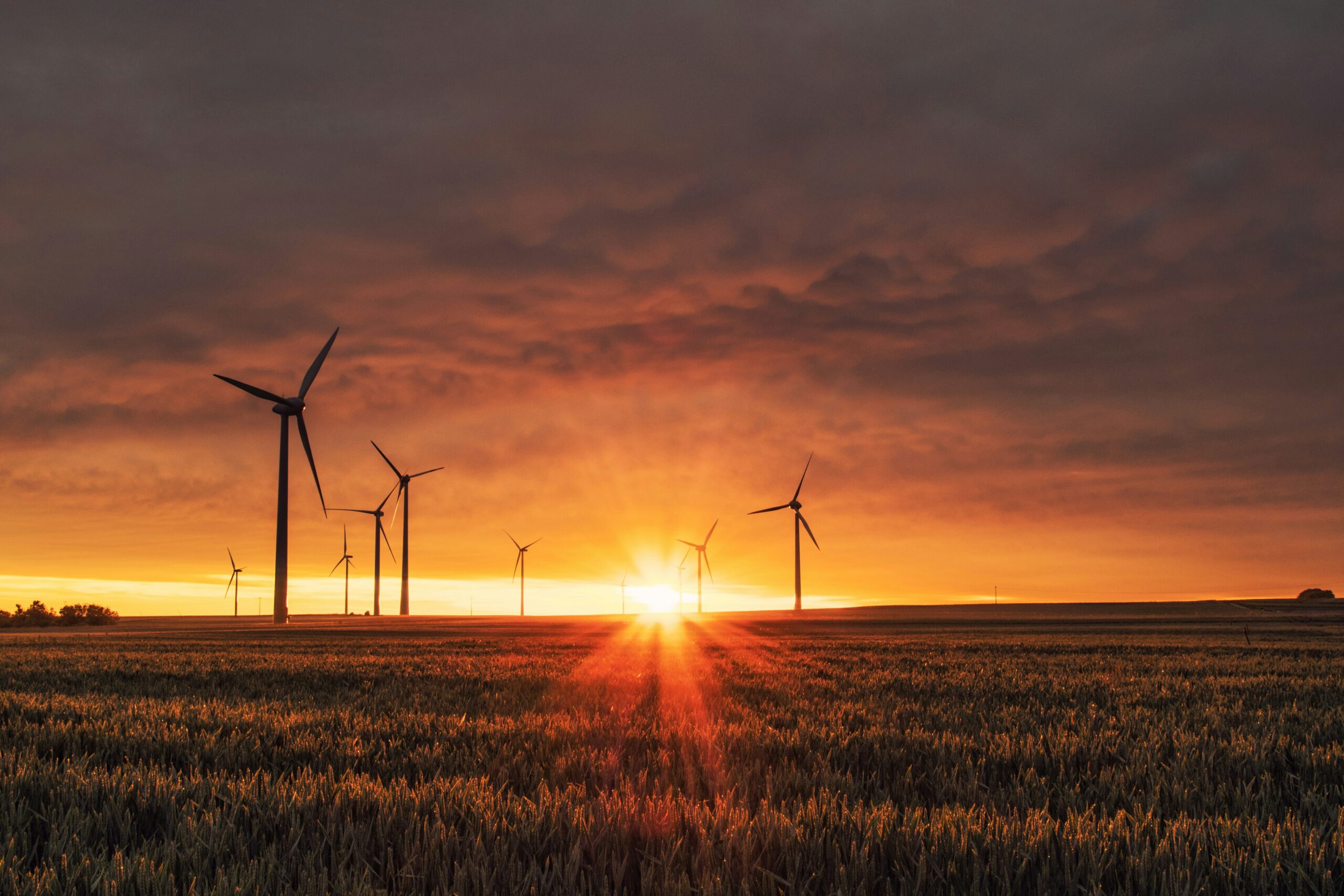
Experts call for “electrified sovereignty” through clean domestic power to overcome energy crises
A new report shows that clean power can deliver up to 14 times current UK electricity output—at less than the cost of one fossil fuel crisis.

A new report shows that clean power can deliver up to 14 times current UK electricity output—at less than the cost of one fossil fuel crisis.
As prevailing economic systems fuel inequality, billionaire power and environmental destruction, it’s time to ask: what if there were a better way? Reclaim the Economy Week begins to answer that question by highlighting, celebrating and co-creating alternatives around the globe.
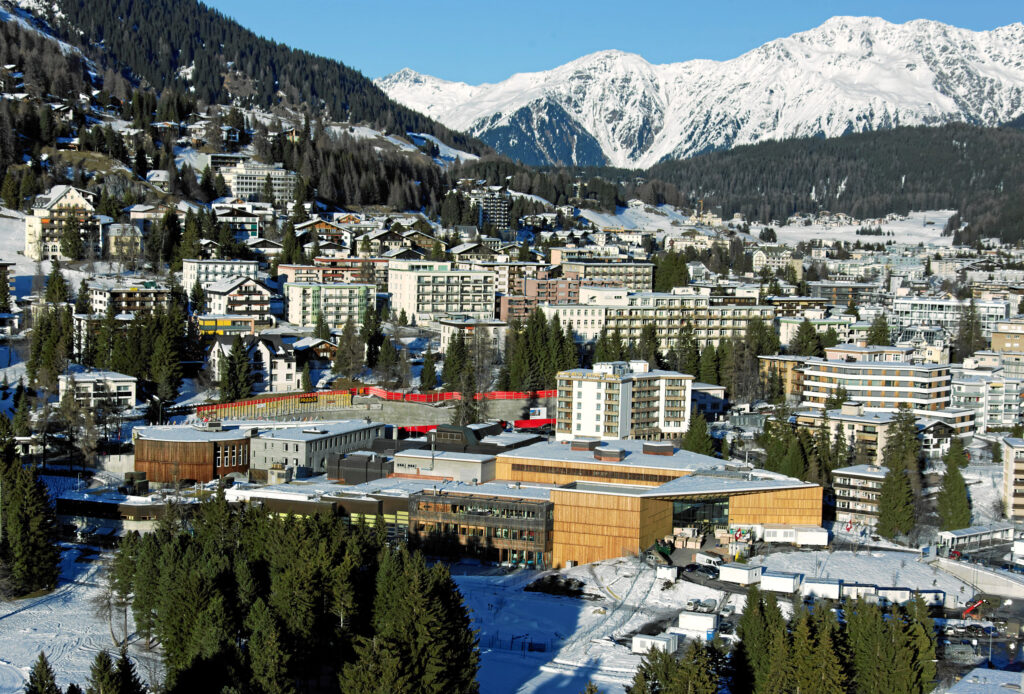
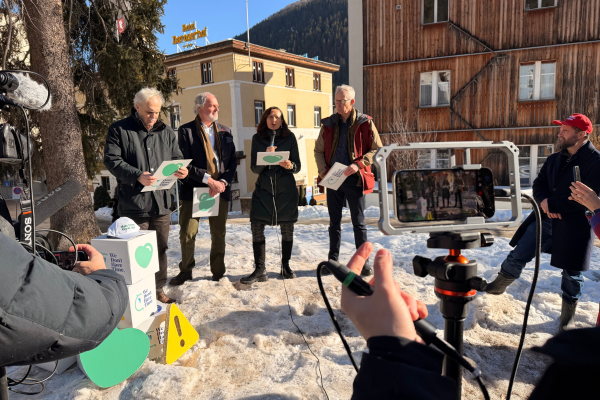
A group of globally respected leaders including Johan Rockström and Sandrine Dixson-Declève have delivered a bold alternative vision of prosperity in Davos today ahead of Donald Trump’s address setting out his own economic agenda at the World Economic Forum.
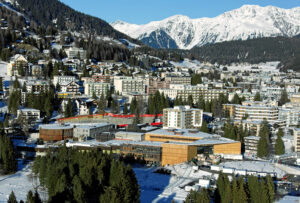
As political and business leaders gather at Davos, a powerful coalition of over 20 leading economists, businesspeople and scientists have signed a call for attendees to show “serious leadership” to safeguard humanity from climate and ecological collapse and redefine prosperity for the 21st century.
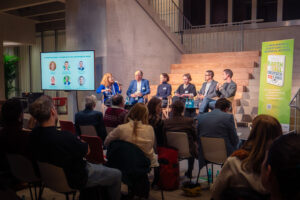
The Wuppertal Institute and Earth4All have signed a Memorandum of Understanding (MoU). “Especially in times

Ahead of the critical climate summit in Belém, a new report from Earth4All argues that Brazil’s greatest assets in tackling the climate crisis are not only its vast forests and renewable energy potential, but the power of trust and social cohesion.

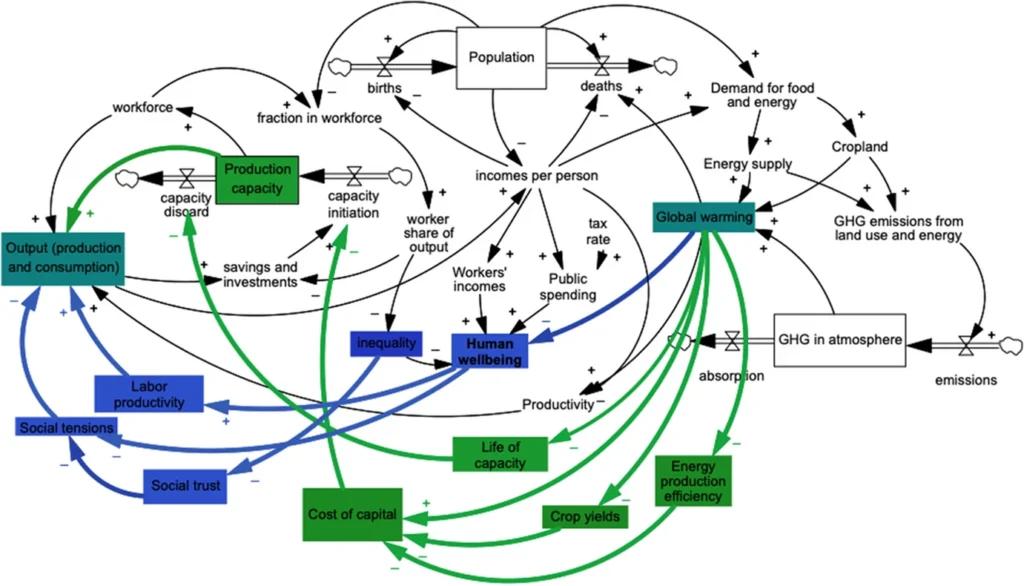
A new paper by members of Earth4All’s scientific advisory team published today in Global Sustainability models two starkly different futures for humanity this century

A new proposal outlines a cooperative system to ensure fair, sustainable and conflict-free access to critical minerals.
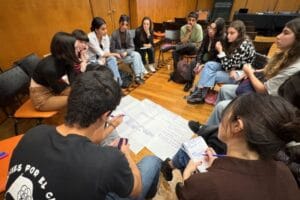
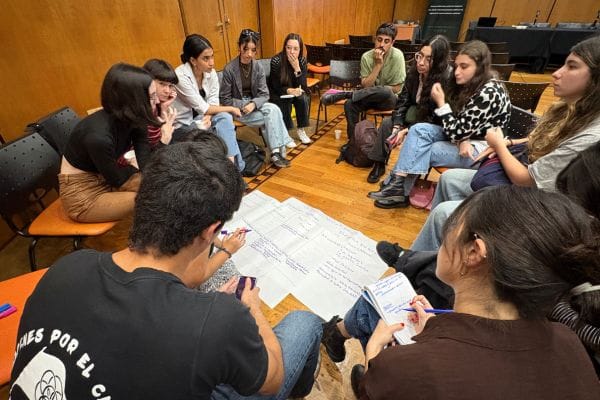
Youth in Argentina explore how Earth4All’s five turnarounds can be applied through policies and practices in their own cities.
A new scientific study concludes that human civilisation is on the brink of the next ‘giant leap’ in evolution – but progress could be thwarted by centralised far-right political projects.
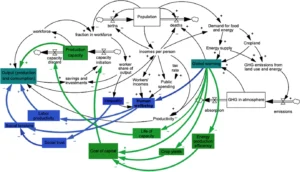
A recent study published by members of the Earth4All scientific advisory team in the Journal of Evolutionary Economics sheds new light on how unsustainable economic practices lead to long-term social and environmental crises.
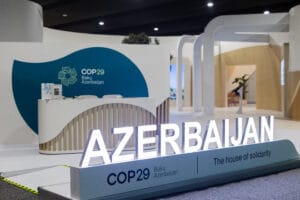
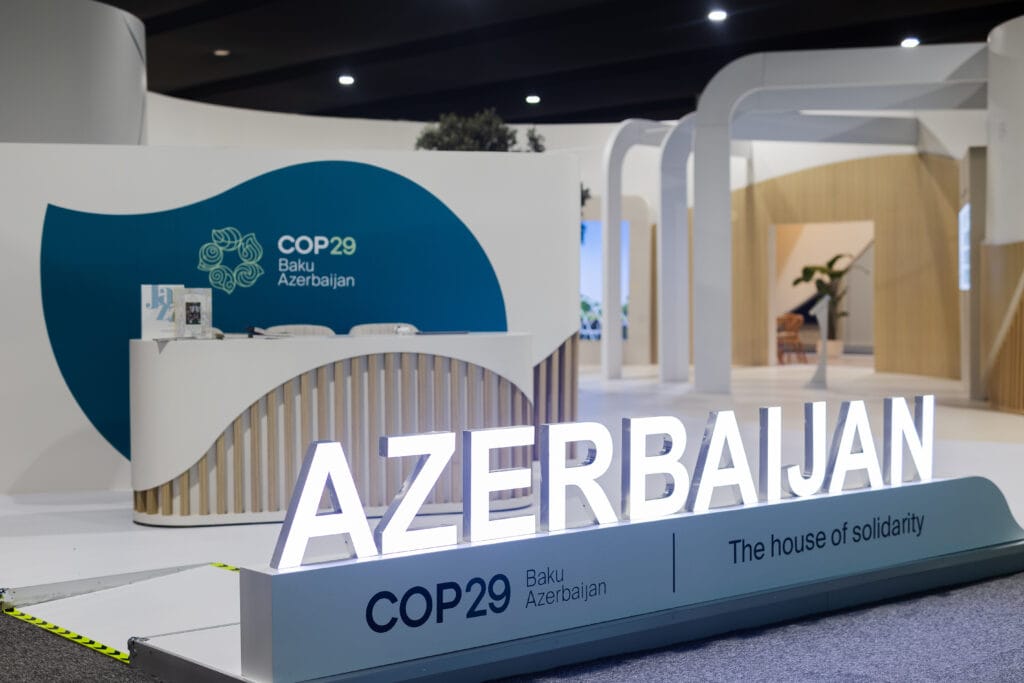
A group of prominent scientists, advocates and policy leaders have issued an open letter to the Executive Secretary of the UNFCCC Secretariat Simon Stiell as world leaders gather in Baku for COP29.
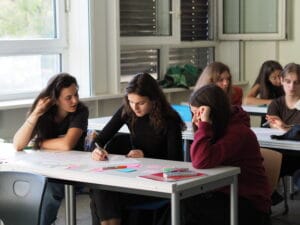
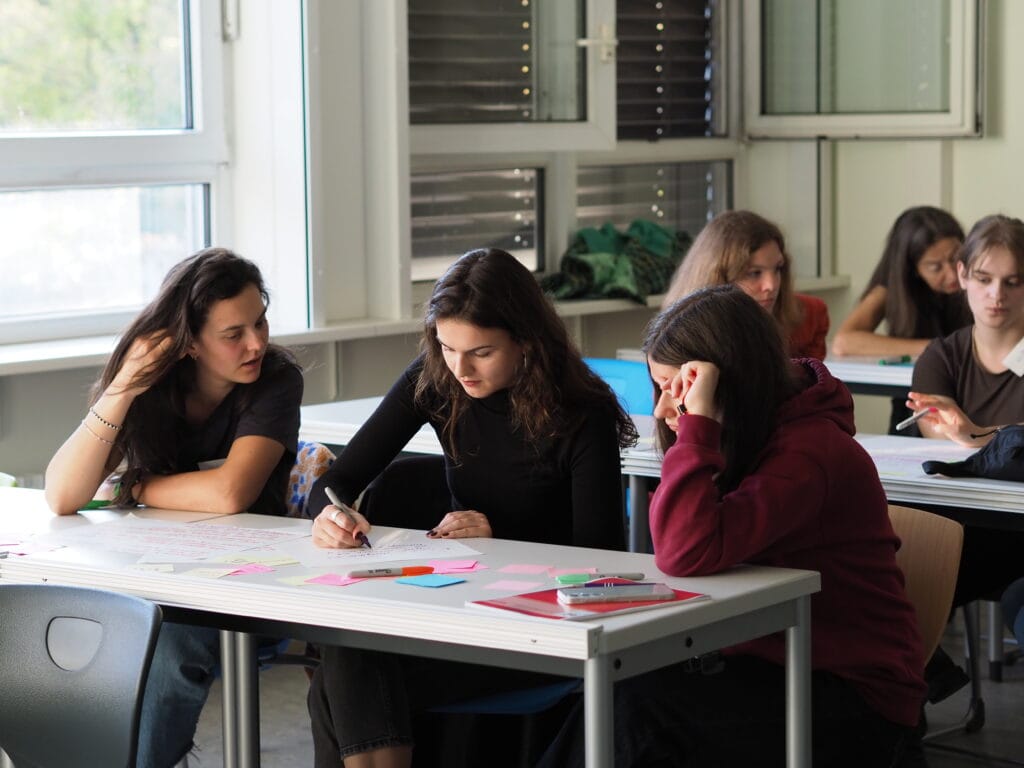
This October, Earth4All participated in Local Conferences of the Youth (LCOY) to understand the perceived priorities of young people for their countries.
We asked young people to tell us about their visions of the future. Now we are delighted to announce the winners.
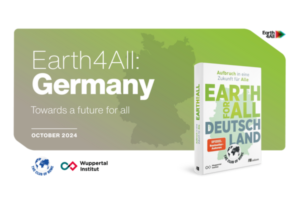
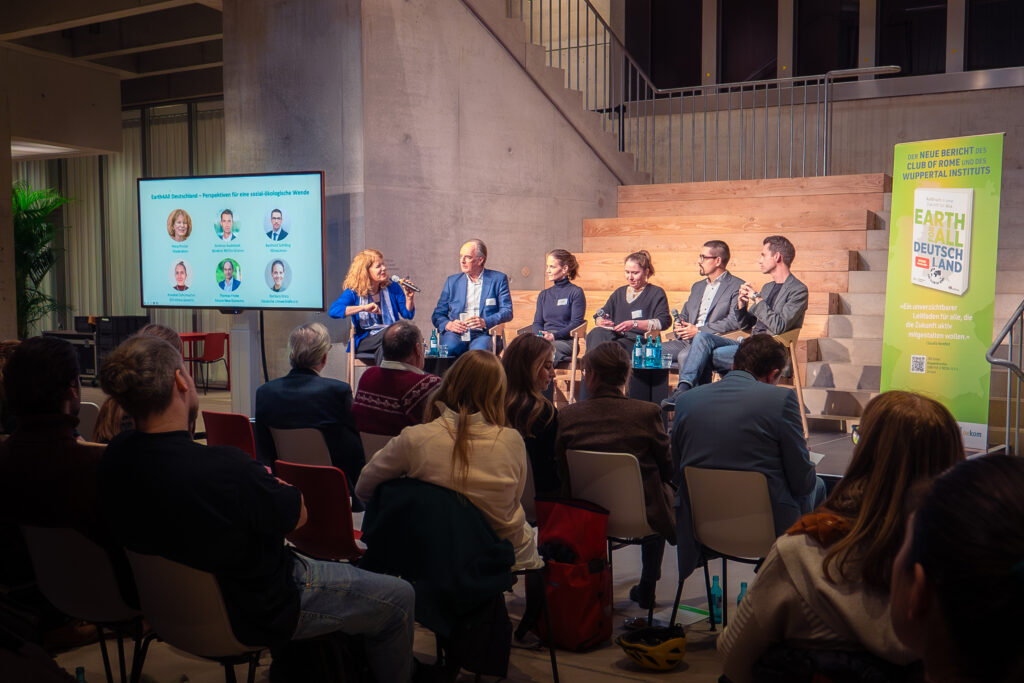
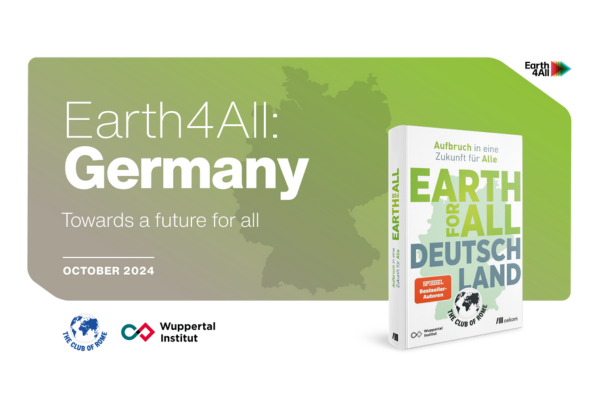
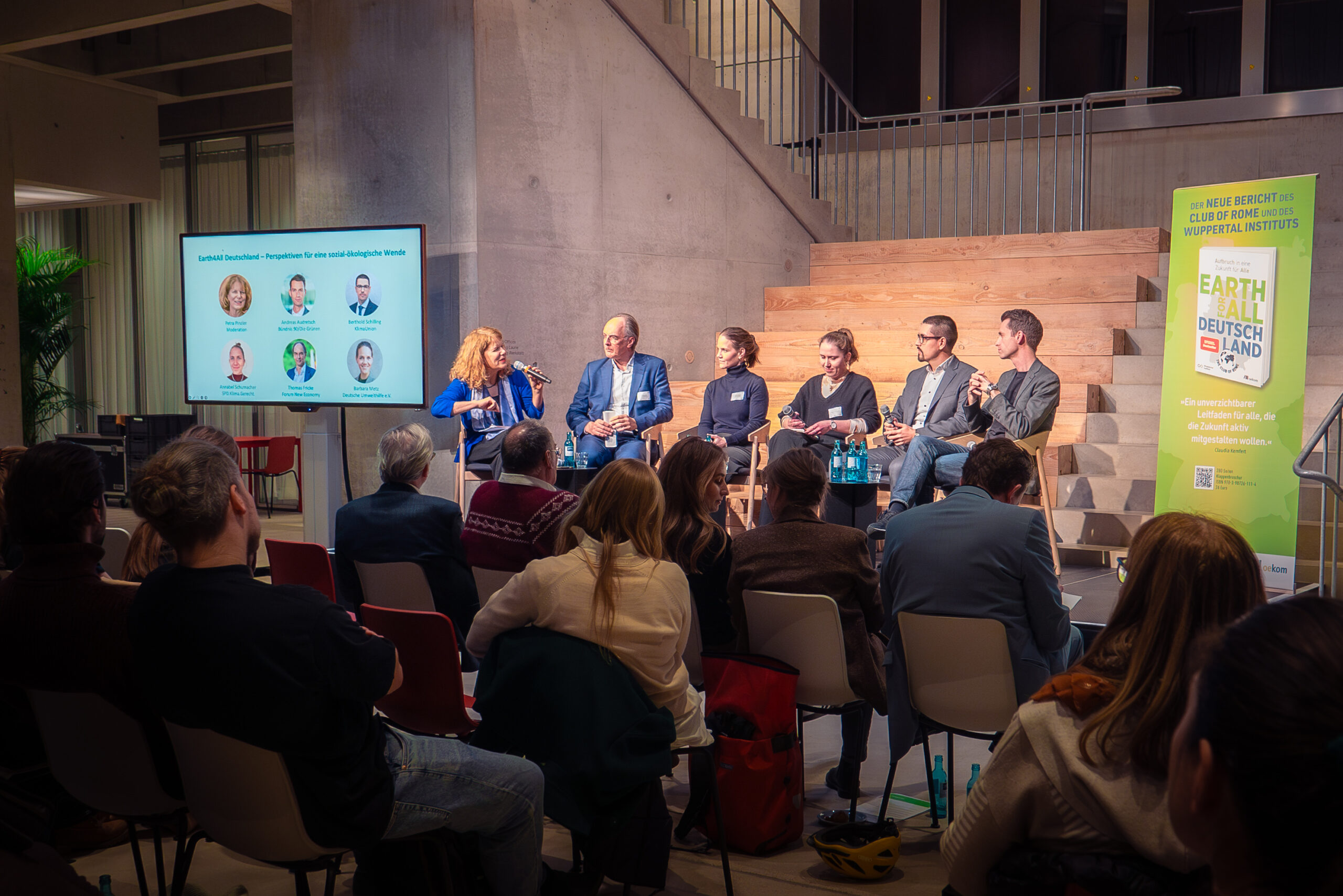
A new book from the Wuppertal Institute and The Club of Rome makes it clear that Germany does not need to choose between saving the economy, boosting wellbeing and stopping climate change.